
The global online gaming market has experienced explosive growth, with millions of players worldwide engaging in casino, poker, and sports betting activities online. However, this rapid expansion has also led to a patchwork of differing laws and regulations across countries, creating a complex landscape for both operators and players. This article examines the critical issue of international standards for online gaming, exploring the challenges posed by the lack of uniform regulation and offering insights into the evolving solutions, such as robust licensing frameworks, self-regulation, and global collaboration, that are necessary to ensure a safe, fair, and legally sound online gaming environment. By examining the current state of online gambling regulations worldwide, we aim to equip readers with a comprehensive understanding of the complexities and potential future directions in this dynamic industry.
- Understanding Global Online Gambling Laws
- Key Players in Online Gaming Regulation
- Identifying Legal Online Casinos
- Best Practices for Safe Betting
- Comparing Online Gambling Regulations Worldwide
Understanding Global Online Gambling Laws

The global online gaming market is a complex landscape, with each country implementing its own set of regulations to govern digital gambling. Understanding online gambling laws worldwide is crucial for both players and operators, ensuring safe and fair practices. This section examines the intricacies of international standards, focusing on the evolving regulatory environment and its implications.
When online gambling first emerged in the late 1990s, regulation was largely non-existent. The digital nature of the activity presented unique challenges for governments worldwide. However, the new millennium brought a surge in online betting and casino platforms, prompting many jurisdictions to introduce legislation. Today, the landscape varies drastically; some countries have embraced online gambling, while others maintain strict prohibitions. The United States (US) has a patchwork of state-by-state regulations, with some states legalizing and taxing online casinos while others remain firmly against it. This local vs. Federal dynamic adds complexity for both players and operators, who must navigate these varying legal frameworks.
Online gambling safety standards have become a cornerstone of international regulations. Many countries have established independent bodies to oversee and enforce these standards, ensuring consumer protection and fair play. These bodies often set guidelines for responsible gaming, age verification, and problem gambling support. The UK Gambling Commission is a leading light in global regulation, implementing robust measures to protect players and promoting integrity in the industry. Understanding these local regulatory bodies and their mandates is essential for operators aiming to enter new markets.
When did online gambling become regulated? The timeline varies across the globe. Some countries, like the UK, implemented legislation in the early 2000s, while others have been slower to act. This disparity highlights the challenges in keeping pace with the rapidly evolving digital landscape. Operators must stay informed about the latest legal developments to avoid the risks associated with unlicensed gambling. One key aspect of online gambling regulations is the emphasis on transparency and fairness, ensuring that players receive a level playing field and that operators conduct their business ethically. By understanding these global standards, both players and operators can navigate the online gaming world with confidence, knowing that their interests are protected.
For a practical guide on understanding gambling jurisdiction, visit us at understanding gambling jurisdiction anytime.
Key Players in Online Gaming Regulation

The landscape of online gaming is a complex web of international standards and local regulations. Understanding who matters in shaping these standards is crucial for anyone navigating the legal and safe waters of online gambling. Key players in online gaming regulation include governments, regulatory bodies, and industry self-regulation organizations.
Governments worldwide have been grappling with the challenge of regulating online gambling, with the United States being a notable case study. The legal status of online gambling in the US has evolved significantly over the years. It became regulated in 2018 when the Supreme Court struck down a federal law prohibiting online sports betting, paving the way for individual states to create their own legal frameworks. This marked a new era in online gaming legislation, with states like New Jersey, Delaware, and Nevada leading the way in legalizing and regulating online casinos and sports betting.
Regulatory bodies play a critical role in enforcing these regulations. They are responsible for issuing licenses to online gaming operators, ensuring compliance with the law, and protecting consumers. The UK Gambling Commission is renowned for its strict oversight, while the New Jersey Division of Gaming Enforcement is a model for comprehensive online casino licensing requirements. These bodies often collaborate internationally to share best practices and combat unlicensed gambling, which poses significant risks to players.
Industry self-regulation is another crucial aspect of online gaming standards. Organizations like the Gaming Association (GA) in the United Kingdom set voluntary standards for their members, covering areas such as responsible gaming, fair play, and data protection. While self-regulation is not a substitute for government oversight, it does contribute to a safer gaming environment and helps maintain consumer trust. For players, the key to ensuring a legitimate and safe online casino experience lies in verifying the casino's license, checking for secure payment methods, and understanding the jurisdiction that regulates the site. By staying informed and following these guidelines, players can navigate the online gaming landscape with greater confidence, taking advantage of the latest developments in online gambling regulations while protecting themselves from potential risks.
Identifying Legal Online Casinos
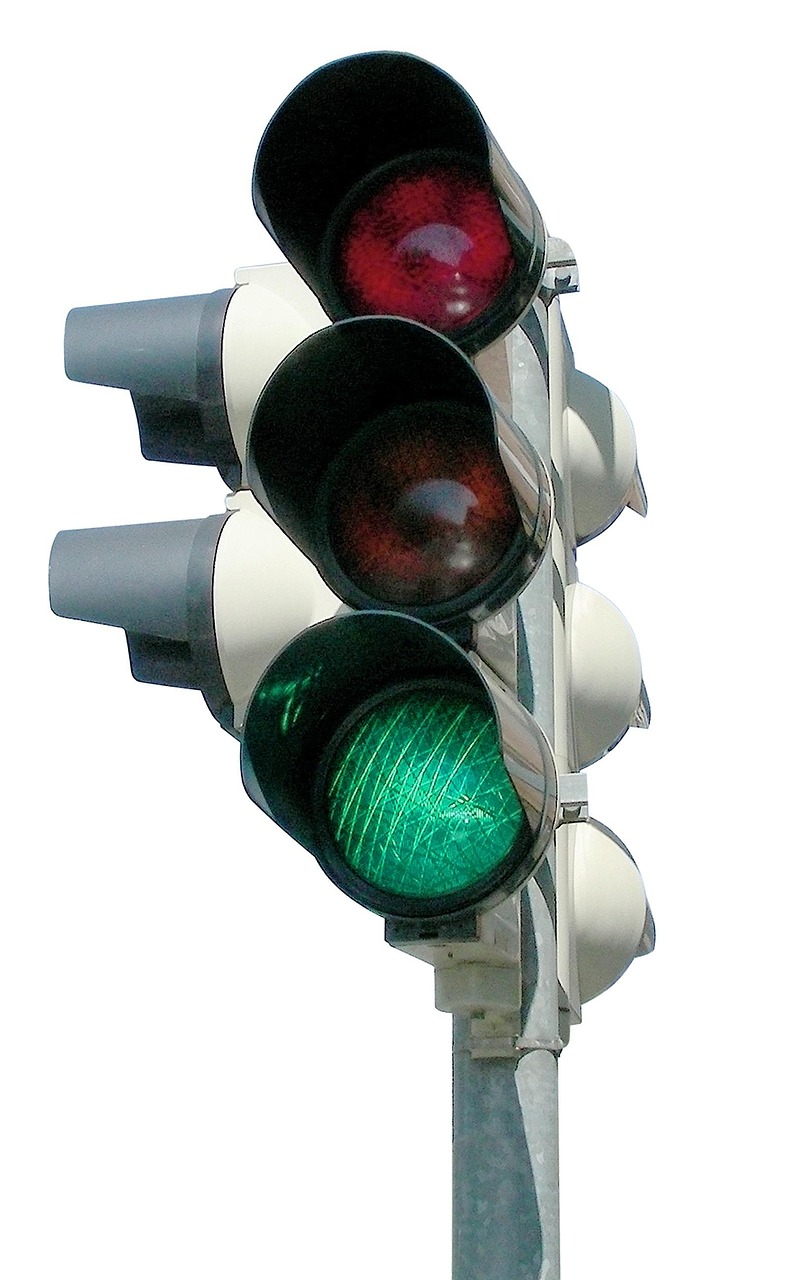
Identifying Legal Online Casinos
In the fast-growing digital gaming landscape, ensuring the legitimacy and safety of online casinos is paramount. Players must navigate a complex web of regulations and licensing bodies to protect themselves from potential risks. Understanding these requirements is crucial, especially in regions like Alabama, where the legal framework for online gambling is evolving. The primary keyword here is online gambling regulations, which forms the backbone of responsible gaming.
When evaluating an online casino, the first step is to check its licensing. Licensing bodies for online gaming are independent regulatory authorities that grant permits to operate legally. These bodies ensure that casinos adhere to fair play standards, protect players, and maintain secure transactions. The United Kingdom's Gambling Commission is a respected licensing authority known for its robust regulations. Look for a license displayed prominently on the casino's website, and verify its authenticity through the licensing body's official website. This process is a fundamental aspect of ensuring fairness and transparency in online betting, as it holds casinos accountable to international standards.
How do you verify an online casino's legitimacy? One effective method is to check for security certificates. Reputable casinos invest in advanced security systems to protect player data. Look for SSL (Secure Sockets Layer) certificates, which encrypt data during transmission, and ensure the casino uses secure payment gateways. Independent testing agencies often audit online casinos to ensure their games are fair. These agencies check the randomness of the games and the integrity of the results, further enhancing player confidence. Remember, a licensed and reputable online casino should make these measures readily available for public scrutiny.
Online gambling safety standards have evolved to protect players and ensure the sustainability of the industry. These standards encompass data privacy, secure transactions, and responsible gaming practices. By adhering to these standards, casinos foster a safe gaming environment, as intended by the online gambling regulations in place. In Alabama, where home-based bingo is legal, players should ensure the online platform they use complies with state regulations. This includes age verification, responsible gaming tools, and clear terms of service. By adopting these practices, players can enjoy online gambling while minimizing the risks associated with unlicensed operations.
Best Practices for Safe Betting

Best Practices for Safe Online Gambling: Navigating a Complex Landscape
The world of online gaming has evolved dramatically, attracting millions of players worldwide. However, this growth has also led to a complex web of legal and regulatory challenges. Understanding and adhering to international standards for online gaming is crucial for both operators and players. This section examines the best practices for safe betting, emphasizing the importance of online gambling regulations in mitigating risks and ensuring a secure environment.
One of the primary concerns in the online gaming space is the prevention of gambling addiction. The United States, for instance, has seen a surge in remote gambling as a result of the COVID-19 pandemic, leading to increased calls for stricter regulations. Operators must implement robust measures to detect and prevent excessive play, offering tools for self-exclusion and deposit limits. Many licensed online casinos now provide detailed session summaries, allowing players to track their activity and set personal spending caps.
Identifying reputable platforms is paramount to ensuring a safe experience. Players should look for clear indications of legitimacy, such as a visible licensing body and an independent audit report. The UK Gambling Commission and the Malta Gaming Authority are respected regulators known for their stringent standards. By visiting platforms that display these licenses, players can significantly reduce the risk of encountering unlicensed or fraudulent operations. This is especially crucial when considering the global nature of online gambling, where laws vary widely between states, like the legalisation of online sports betting in some US states versus the strict bans in others.
Operators should adopt transparent practices, clearly communicating odds, house edges, and any associated risks. This includes disclosing the software providers and ensuring fair gaming through regular independent audits. Many online poker rooms now offer "real-time" gaming environments, allowing players to interact with a live dealer. It is essential that these features are accurately represented and do not mislead users. By adhering to these best practices, both casinos and players can enjoy a more secure and responsible online gaming experience, regardless of their location or the specific regulations in their region.
Comparing Online Gambling Regulations Worldwide

The global landscape of online gaming is incredibly diverse for regulation, with each country and region adopting its own set of rules and guidelines. Comparing regulations worldwide is essential for players, operators, and regulators alike to understand the complexities and nuances of this rapidly evolving industry. This section examines the varying standards and practices, shedding light on how different jurisdictions handle the unique challenges of online gaming.
One of the most significant factors in regulations is the type of gaming being facilitated. The regulations for online poker differ substantially from those governing casino games. In the United States, for example, the legal status of online poker varies greatly by state, with some permitting it while others maintain a strict ban. In contrast, countries like Texas and Florida have long-standing laws that specifically prohibit all forms of online gambling, including bingo halls operating within their borders. Understanding these regional disparities is crucial for players seeking legal and safe online gaming options, as it can determine the availability of various games and the level of protection offered.
When did online gambling become regulated? This question is pivotal in gauging the maturity and stability of a jurisdiction's gaming industry. The early 2000s saw a surge in online gambling popularity, prompting many countries to introduce legislation to govern this new domain. However, the timing varies significantly worldwide. Some nations, like the United Kingdom, had already established robust gambling regulations that extended to online platforms, ensuring a level of oversight that has been a model for many others. In contrast, countries that lagged in online regulation faced unique challenges, such as the difficulty of enforcing laws in a global, digital space. To navigate this, many have turned to international gambling law overviews, seeking guidance from established practices and learning from both successes and failures worldwide.
How do I know which online casinos are legal? This is a question that resonates with both casual players and industry professionals. The answer lies in meticulous research and understanding the specific online casino licensing requirements for each jurisdiction. Licensing bodies for online gaming, such as those in the UK and certain US states, play a vital role in ensuring the integrity and security of online casinos. These bodies conduct thorough evaluations, including checking the legitimacy of the casino's operations, its financial stability, and adherence to fairness and transparency standards. By verifying these licenses, players can significantly reduce risks associated with unlicensed online gambling, which is often linked to scams and fraudulent activities. This practice underscores the importance of staying informed about the evolving regulations in your region and beyond.
Frequently Asked Questions About International Standards for Online Gaming
What are the laws governing online gambling?
Online gambling laws vary significantly from country to country. Generally, they fall under local or federal jurisdiction, with regulations covering areas like licensing, gambling age restrictions, payment methods, and game fairness. Some countries have fully legalized and regulated online gaming, while others ban or restrict it entirely. Understanding these laws is crucial to ensuring a safe and legal gaming experience.
How do I know which online casinos are legal?
To identify legal online casinos, look for clear indication of licensing, often displayed prominently on their website. Reputable casinos will hold licenses from recognized regulatory bodies. Check the casino's website for information about their licensing jurisdiction and the specific body that issued the license. Independent review sites can provide insights into a casino's reputation and legality.
Is online gambling regulated in the US?
Online gambling in the US is a complex issue. While some states have legalized and regulated it, others prohibit it entirely. The Unlawful Internet Gambling Enforcement Act (UIGEA) of 2006 primarily restricts the ability of financial institutions to process online gambling transactions. State laws override federal regulations, so it's crucial to check the specific laws in your state.
What are the best practices for online gambling regulation?
Best practices for online gambling regulation include robust player protection, fair game mechanisms, transparent financial systems, and effective anti-addiction measures. Licensing bodies should conduct regular audits and monitor casino operations to ensure compliance. Players should look for casinos that offer independent audits of their random number generators and provide responsible gaming resources.
Can you explain gambling regulations by state?
Gambling regulations vary greatly from state to state in the US. Some states allow various forms of online gambling, including poker, sports betting, and casino games, while others only permit specific types or none at all. States like Delaware, Nevada, and New Jersey have well-established online gambling markets, while others are still in the process of legalizing and regulating it.
What are the online casino licensing requirements?
Online casino licensing requirements vary globally but typically include:
- Proof of age and identity verification.
- A clear business plan and financial stability.
- Compliance with anti-money laundering (AML) and know your customer (KYC) regulations.
- Fair game play and random number generator testing.
- A plan for player protection and dispute resolution.
How can I ensure safe online gambling?
To ensure safe online gambling, follow these steps:
- Choose licensed and reputable casinos.
- Read reviews and check for security certificates.
- Use secure connections (HTTPS) and robust passwords.
- Be wary of bonus offers that seem too good to be true.
- Set deposit limits and take breaks when needed.
- Familiarize yourself with the casino's terms and conditions.
As we've explored the intricate world of international standards for online gaming, several key insights emerge. Firstly, understanding the global landscape of online gambling laws is paramount; regulations vary widely, from the strictest jurisdictions to those with minimal oversight, underscoring the importance of knowing the legal framework before engaging. Secondly, key players in online gaming regulation, including governing bodies and industry self-regulation groups, play crucial roles in setting standards and ensuring fairness, transparency, and consumer protection.
Identifying legal online casinos through proper licensing and verification processes is a critical step to ensure safety and mitigate risks associated with unlicensed gambling. Best practices for safe betting, such as responsible gaming initiatives and robust security measures, reinforce the industry's commitment to protecting users.
Comparing regulations worldwide reveals both diverse approaches and common goals: fairness, player protection, and revenue generation. Moving forward, staying informed about the latest developments in regulations is essential for both operators and players. By adhering to the best practices and understanding the jurisdiction in which they operate, stakeholders can contribute to a safe, regulated, and thriving online gaming environment.
The global online gaming market is a patchwork of regulations, with each country setting its own rules. Understanding these laws is vital for safe and fair practices. Key aspects include:
- Varied Landscape: Regulations differ vastly, from strict bans to robust legal frameworks, influenced by factors like game type and local vs. Federal control.
- Historical Timing: Early adoption in the 2000s set the stage for regulation, with some nations leading the way, while others have since caught up.
- Licensing & Oversight: Independent bodies like the UK Gambling Commission ensure consumer protection and fair play through guidelines for responsible gaming and problem gambling support.
- Player Protection: Measures to prevent gambling addiction, self-exclusion tools, and deposit limits are crucial, especially in regions with sudden spikes in remote gambling.
- Legitimacy Indicators: Reputable platforms display clear licensing from recognized bodies like the UKGC or MGA, and provide independent audit reports.
- Transparency & Fairness: Operators must disclose odds, house edges, and risks, with regular independent audits to ensure fair gaming.
- Comparative Analysis: Comparing global regulations helps players and operators navigate the diverse landscape, finding safe and legal online gaming options.